Temperature-Controlled vs Standard Storage Units: What Belongs in Each Before Winter
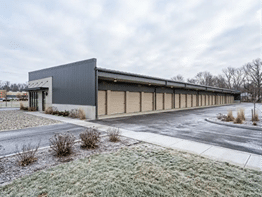
You’ve pulled everything out of the spare room, sorted through the garage, and now you’re staring at a guitar, a box of framed photos, and a leather sofa, wondering whether a standard unit will do or whether you actually need temperature-controlled storage units. It’s a fair question, and the answer depends less on the season and more on what you’re storing. This guide breaks down which belongings genuinely need a temperature-regulated environment, which ones benefit from it, and which ones are fine in a standard unit so you can make a confident call before moving day.
What Temperature-Controlled Storage Actually Does
A temperature-controlled unit holds a consistent temperature range, typically between 50° F and 80° F, year-round. That steadiness matters because the real threat to most belongings isn’t a single cold snap or a hot afternoon. It’s the repeated cycle of expanding and contracting as temperatures swing from one extreme to another. Wood joints loosen, finishes lift, adhesives fail, and materials that were designed to stay rigid start to shift. A unit that stays within a stable range avoids that cycle.
Standard units, by contrast, follow the outdoor temperature more closely. In winter, they can drop well below freezing in colder climates. In summer, a metal-roofed unit can climb far above the outdoor air temperature. For durable, non-reactive items, that’s completely fine. For anything with a finish, a circuit board, or an organic material like wood, paper, or leather, it’s worth thinking twice.
Items That Need Temperature Control
Certain belongings have almost no tolerance for temperature extremes. A single season in an unregulated unit can cause damage that ranges from cosmetic to irreversible, depending on the material and how long it sits.
Electronics and Appliances
Circuit boards, LCD screens, and battery cells are all vulnerable to prolonged cold or heat. When a cold unit warms back up, condensation can form on components that haven’t yet reached room temperature, which is a particular concern for anything with a circuit board. A television, a computer, audio equipment, or small appliances with electronic controls all belong in a temperature-controlled unit rather than a standard one.
Wood Furniture
Solid wood expands in warmth and contracts in cold. After months of cycling through both, joints crack, drawer slides warp, and veneer separates from its substrate. Antique pieces are especially vulnerable because older wood has already absorbed decades of stress, leaving less tolerance for additional movement. A dining set or a solid hardwood dresser stored over a full winter in an unregulated unit carries a real risk of coming back with structural damage that isn’t easily repaired.
Photographs, Documents, and Artwork
Printed photographs yellow and grow brittle under fluctuating conditions. Documents can warp, stick together, or take on a stale quality over time. Canvas artwork is particularly reactive, as the material expands and contracts independently of the paint layer, and that tension causes cracking or flaking over a long storage period. For anyone holding onto original artwork, printed photos, or paper documents through an extended move or a downsizing project, a temperature-regulated environment is worth the cost.
Vinyl Records, Books, and Musical Instruments
Vinyl warps in heat and becomes brittle in sustained cold. A record collection stored through a hot summer in an unregulated unit may come back unplayable. Books stored in temperature extremes develop wavy pages and cracked spines. Instruments with wooden bodies (acoustic guitars, violins, and pianos, chief among them) are among the most sensitive items you can put into storage. The glue joints that hold them together were not designed to survive repeated thermal stress, and the damage tends to be cumulative. For any of these items, temperature control is not a convenience upgrade.
Items That Benefit From Temperature Control but Can Survive Without It
Leather goods, including sofas, jackets, and bags, can crack and stiffen in cold storage, though well-conditioned leather holds up better than dry or older pieces. Upholstered furniture can develop a stale quality in a standard unit, though it typically survives a single season without lasting damage. Fabric-covered items in general are worth considering for temperature control if the storage period extends beyond a few months.
Collectibles, sports cards, and anything with a paper or cardboard component also fall into this middle category. They won’t necessarily be destroyed in a standard unit, but a temperature-regulated environment reduces the risk of fading, warping, or finish degradation over time.
Items That Do Fine in a Standard Unit
Metal tools, patio furniture, plastic storage bins, holiday decorations in sealed containers, sporting equipment, and most seasonal gear handle temperature swings without issue. Bicycles, lawn equipment, and outdoor furniture were built for outdoor conditions and store well in a standard unit. Clothing packed in sealed bins or vacuum bags is generally fine in a standard unit for a season, though anything stored long-term benefits from a consistent environment.
If you’re working through a move and need to sort out what goes where, our storage tips cover packing strategies that apply to both unit types.
Items That Cannot Go Into Any Storage Unit
A few categories of items are off-limits regardless of unit type. Tires are prohibited at most facilities because of fire risk. Live plants cannot survive in an enclosed unit without light or airflow. Perishable food of any kind does not belong in storage. Hazardous materials, including propane tanks, paint, and certain chemicals, are banned at virtually every facility. Knowing these exclusions before you pack saves a trip back home on moving day.
Deciding When Temperature Control Is Worth the Cost
The cost difference between a standard unit and a temperature-controlled one varies by location and size, but it’s typically modest relative to the replacement cost of what you’re storing. If the unit holds electronics, wood furniture, photographs, or instruments, temperature control pays for itself quickly. If it holds patio chairs and holiday bins, a standard unit is the practical choice.
Storage duration matters too. A short-term move lasting a few weeks carries far less risk than a six-month or year-long storage period. The longer the timeline, the more cycles of temperature change your belongings will go through, and the more a stable environment matters.
Matching Your Items to the Right Unit Size
Once you’ve sorted your belongings into the right unit type, the next step is picking the right size. Overpacking a small unit increases the risk of damage regardless of temperature control, since air needs to circulate around items. Use our unit size guide to match your inventory to a unit before you rent, so you’re not guessing on moving day.
Not every Mini Storage Depot location offers temperature-controlled units, so it’s worth confirming availability at the facility closest to you. Browse our storage locations to find a facility near you and check which unit types are available. If temperature control is a priority, confirming it upfront means you can plan your move around the right unit from the start, rather than discovering the limitation after everything is already packed.